
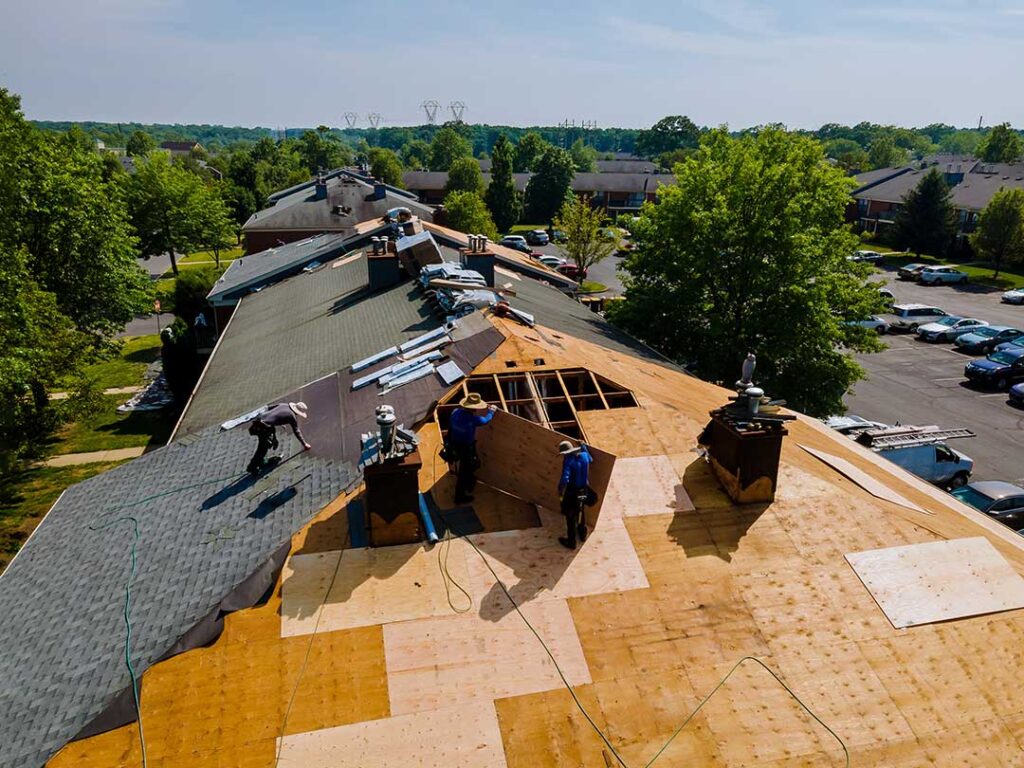
How often should a roof be inspected?
Most homes benefit from a roof inspection at least once every two years, with an additional check after severe weather or any event that may have caused damage. Older roofs, roofs with a history of leaks, and homes surrounded by mature trees may need more frequent attention.
For homeowners in Frankfort, NY, the most useful inspection schedule usually follows the seasons:
- Early spring: Look for damage from snow, ice, freezing temperatures, and winter wind.
- Late summer or early fall: Check the roof before leaves, colder temperatures, and snow return.
- Any time after severe weather: Inspect for visible or hidden damage after strong wind, hail, heavy rain, or falling branches.
- Before buying or selling a home: Confirm the roof’s condition and remaining service life.
An inspection is not the same as replacing a roof. Its purpose is to identify current problems, estimate how quickly they may develop, and help prioritize maintenance.
Why is spring a good time for a roof inspection?
Spring is often the most useful season for a thorough roof check because winter can reveal weaknesses that were not obvious during warmer months. Snow loads, ice buildup, freeze-thaw cycles, and winter wind may affect shingles, flashing, gutters, vents, and roof edges.
A spring inspection may uncover:
- Missing, cracked, lifted, or loose shingles
- Bent or damaged metal flashing around chimneys, vents, skylights, and wall intersections
- Granules collecting in gutters or near downspouts
- Water stains in attics or on upper-level ceilings
- Sagging roof sections
- Ice-dam-related damage near eaves
- Blocked or damaged gutters and downspouts
- Exposed fasteners or gaps around roof penetrations
A roof can appear acceptable from the ground while still having problems in the attic or beneath the roofing material. Checking the attic for damp insulation, mold-like growth, daylight through the roof deck, or musty odors can provide useful clues.
Should a roof be inspected before winter?
Yes. A late-summer or early-fall inspection gives homeowners time to address problems before snow and ice make them harder to see or repair. In the local climate, small weaknesses can become more serious after repeated freezing and thawing.
Before winter, pay particular attention to:
- Loose or deteriorated shingles
- Areas where water may collect
- Roof valleys and lower roof edges
- Flashing around chimneys, vents, and other openings
- Gutter attachment points
- Downspouts that discharge too close to the foundation
- Tree limbs that could strike the roof
- Attic ventilation and insulation conditions
Clearing leaves from roof drainage areas can reduce the chance of standing water and overflowing gutters. However, walking on a steep, wet, icy, or moss-covered roof creates a fall hazard and is not a suitable do-it-yourself task.
When is an inspection needed after a storm?
A roof should be checked after any storm that includes strong wind, hail, heavy rain, or nearby fallen trees. Damage may not be visible immediately, especially when shingles are lifted but not completely removed or when flashing is loosened without creating an indoor leak.
After severe weather, look from the ground for:
- Shingles in the yard or driveway
- Uneven or lifted areas
- New dents in metal vents, flashing, or gutters
- Fallen branches or debris
- Damaged ridge caps
- Water entering the attic or upper floors
Inside the home, check ceilings, attic spaces, and upper-level walls for new stains, bubbling paint, damp insulation, or dripping water. If water is entering near electrical wiring, light fixtures, or other electrical components, avoid touching the affected area and treat it as an urgent safety concern.
Not every storm problem produces an immediate leak. Some damage becomes noticeable weeks or months later as temperature changes and additional precipitation test the affected area.
What warning signs mean an inspection should happen sooner?
A roof inspection should not wait for the normal seasonal schedule when there are signs of active damage or aging. Common warning signs include:
- Repeated leaks or water stains
- Shingles that are curling, buckling, cracked, or missing
- Excessive granules in gutters
- Sagging roof lines
- Daylight visible through the attic roof deck
- Damp insulation or persistent attic odors
- Peeling paint near roof overhangs
- Loose flashing around roof openings
- Unusually high indoor humidity near the upper level
- Moss or algae growth associated with trapped moisture
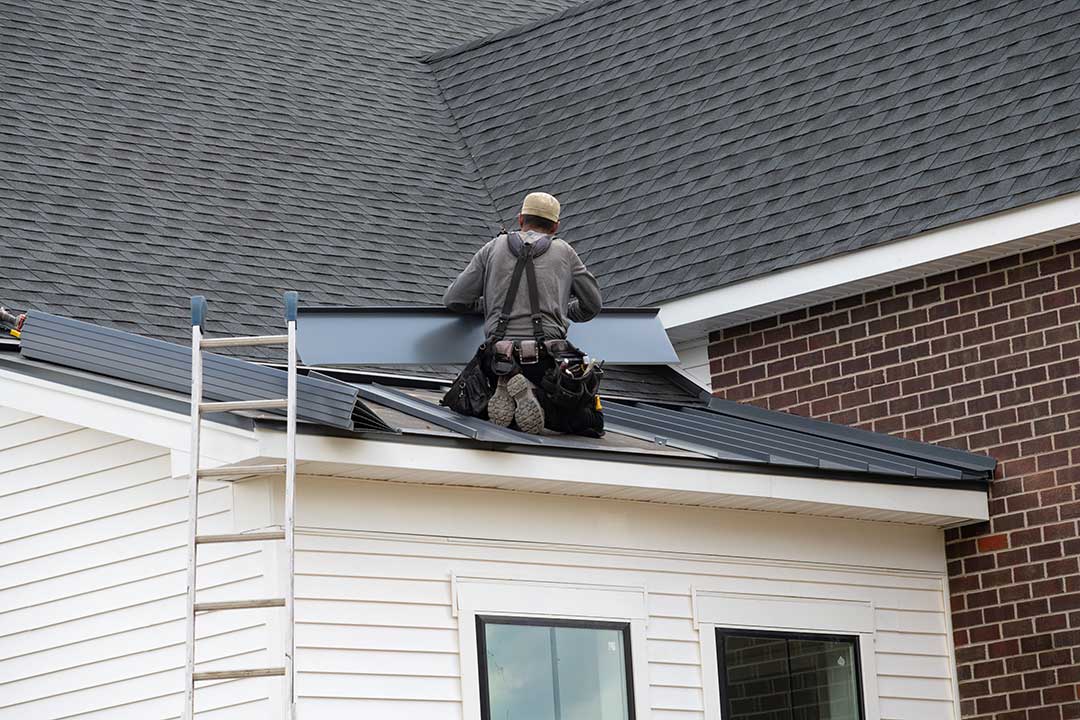
A single small ceiling stain does not always identify the exact source of a leak. Water can travel along roof decking, rafters, insulation, or wall cavities before appearing indoors. For that reason, patching the visible stain without finding the entry point may not solve the underlying problem.
How does roof age affect inspection timing?
Roof age is a major factor, but it does not provide an exact expiration date. The actual service life depends on the roofing material, installation quality, attic ventilation, exposure to wind and weather, maintenance, and the presence of trees or nearby structures.
As a roof gets older, inspections become more valuable because deterioration may occur gradually. An older roof may still be performing adequately but have less reserve against a major storm. Conversely, a newer roof can develop problems if it has poor drainage, storm damage, flashing defects, or inadequate ventilation.
Homeowners who do not know the roof’s age should check closing documents, past invoices, permits where available, or records left by previous owners. If the installation date cannot be confirmed, the roof’s visible condition and construction details can still provide useful information.
Is a roof inspection needed when there is no leak?
Yes. The absence of an interior leak does not prove that a roof is undamaged. Roofing materials can deteriorate before water reaches the living space, and small exterior defects may remain unnoticed until a storm or prolonged wet period exposes them.
Preventive inspections can identify conditions such as deteriorated flashing, blocked drainage, exposed fasteners, damaged vent components, and early shingle failure. Finding these issues early may help prevent damage to insulation, roof decking, framing, ceilings, and interior finishes.
This is especially relevant for homes with finished attics, complex roof designs, additions, dormers, or multiple roof slopes. More seams and penetrations create more areas that should be checked.
What can homeowners safely check themselves?
A ground-level visual review is generally reasonable if conditions are safe. Binoculars can help identify missing shingles, damaged flashing, sagging areas, and debris without requiring anyone to climb onto the roof.
Homeowners can also:
- Look for water stains in attics and upper-level rooms.
- Check whether gutters overflow during rain.
- Observe whether downspouts discharge water away from the foundation.
- Trim or monitor branches that could contact the roof.
- Keep records of leaks, repairs, and storm dates.
- Compare current roof conditions with earlier photographs.
Roof surfaces should not be walked on when they are wet, icy, steep, unstable, or visibly damaged. Ladders also create serious fall risks. A more detailed inspection may require a qualified inspector or roofing specialist when the roof cannot be evaluated safely from the ground, attic, or accessible areas.
What is the simplest inspection schedule to remember?
For most households, use this practical rule:
1. Inspect in spring for winter damage.
2. Inspect again before winter if the roof is older, shaded, exposed to trees, or showing wear.
3. Inspect after severe weather even if no leak is visible.
4. Inspect promptly when warning signs appear.
5. Keep written records and photographs so changes are easier to recognize over time.
This approach helps match inspection timing to the conditions that affect roofs most: age, weather exposure, drainage, trees, and visible symptoms.
