
Why Does Seasonal Roof Maintenance Matter in Frankfort, NY?
Seasonal roof maintenance is essential due to the region’s unique climate and weather patterns. Frankfort faces wide temperature swings, heavy snow in winter, rainfall in spring and early fall, and strong sun exposure through late spring and summer. These conditions can stress roofing materials in different ways, causing small issues to rapidly worsen if left unaddressed. Proactive, seasonal care helps prevent expensive repairs and extends the life of most residential roofs.
What Should Residents Check as Winter Approaches?
Start by removing leaves and other debris from roof surfaces and gutters before snow arrives. Clogged gutters are a common cause of ice dams and water backing up under shingles during thaw cycles. Area homeowners should also:
- Inspect for missing, cracked, or curling shingles, especially after windy or stormy fall weather.
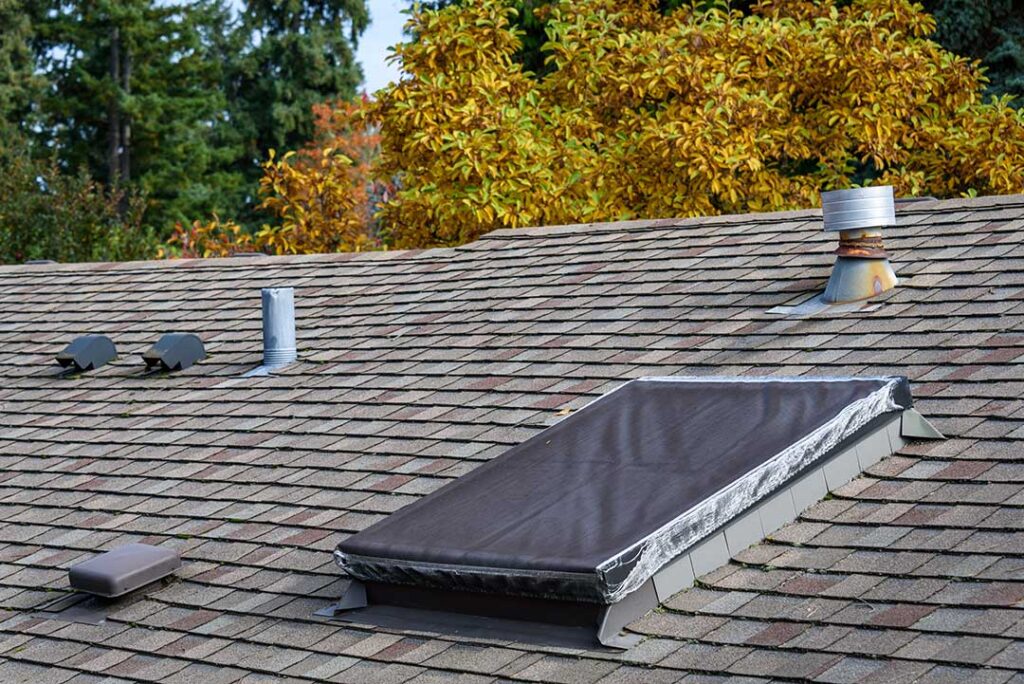
- Check for damaged flashing around chimneys, skylights, and attic vents.
- Make sure attic insulation is intact and adequate to reduce the chance of ice dams.
- Look for tree limbs overhanging the roof—heavy snow or ice can cause them to break and damage shingles.
Frankfort’s winters are known for their snow load. Periodically, homeowners can safely use a roof rake from the ground to remove excess snow buildup from the lower section of the roof, especially after major storms. Steep or high roofs, or any noticeable sagging, should be evaluated with caution, and only spectated from a distance if conditions become hazardous.
How Can Frankfort Residents Prepare Roofs for Spring and Early Summer?
As snow melts and temperatures rise, roofs in the city can be exposed to moisture seeping under shingles or flashing. Early spring is a key time to:
- Clear remaining debris from both the roof surface and gutters, as winter storms often leave behind sticks, leaves, or damaged shingle bits.
- Look for moss or algae growth on north-facing roofs or shaded sections, which hold moisture and can degrade materials.
- Examine ceilings and attics for water stains or musty odors, an early sign of leaks that often worsen during freeze-thaw cycles.
- Spot-check attic ventilation. Warm, moist air trapped in confined attic spaces encourages mold growth by spring.
Frankfort’s spring weather can be variable, with bouts of wind and rain. After strong storms, a visual check for new or missing shingles or exposed nail heads helps catch minor issues before they expand.
What Should Be Inspected in Summer’s Peak?
During summer, strong UV rays and warmer temperatures can accelerate shingle aging and dry out caulking or sealants. Residents should:
- Scan for blistering or bubbling shingles, which can signal trapped moisture or heat damage.
- Ensure flashing hasn’t loosened during earlier freeze-thaw cycles.
- Trim any new tree growth near or above the roofline to prevent abrasion from branches during windy days.
- Confirm exhaust vents and soffits are not blocked by animal nests or blown-in debris.
Because Frankfort’s solar exposure is concentrated in summer, surfaces facing direct sun often age faster than shaded areas—compare both to gauge when certain areas may need attention.
What Are the Priorities before Autumn in the City?
Autumn is a transition period where prepping for coming storms and cold is critical:
- Clean gutters thoroughly, as falling leaves can rapidly clog downspouts in this season.
- Look closely at roof valleys, as these catch runoff and are common sources of leaks if blocked by leaf matter.
- Monitor for peeling or missing sealant around roof penetrations (vents, satellite mounts, and chimney stacks).
- Inspect shingle granules in gutters—an increase may indicate aging or deteriorating roof sections after the stress of summer heat.
As nights begin to cool, condensation can collect in poorly vented attics. Briefly open access panels to check for any dampness or moldy smells, a sign of insufficient airflow as seasons begin to shift.

What Mistakes Do Homeowners Commonly Make?
A few issues are often overlooked:
- Only checking from the ground—many signs of early failure, like small tears in flashing or growing moss patches, are invisible from below.
- Ignoring attic conditions. Mold, moisture, or cold drafts in the attic space almost always point to bigger roof or ventilation problems.
- Using harsh pressure washers to clean shingles; this can strip granules or force water under the roofing layers.
- Taking a “set and forget” approach after just a single season. While some years may be milder, roofs in Frankfort are always subject to rapid weather changes.
Are There Safety or Legal Considerations for Roof Maintenance?
Most seasonal checks can be handled by homeowners using safe ladders, sturdy footwear, and common sense. However, several situations do require extra caution:
- Significant roof slope, two-story homes, or icy surfaces raise the risk of falls and should never be attempted without appropriate safety measures.
- Handling electrical components (such as attic fans, wiring near satellite dishes) must be done carefully.
- Frankfort’s building codes may affect what kinds of repairs can be done by residents, especially for structural or major shingle replacement. While minor maintenance (cleaning, basic visual inspections) rarely triggers permit requirements, more substantial work often does. Area residents can check municipal guidelines if unsure.
How Frequently Should Each Task Be Completed?
- Gutter and roof surface cleaning: Twice yearly (late fall and late spring), and after significant storms.
- Attic and ceiling checks: Once per season, with extra attention in spring and autumn.
- Shingle, flashing, and sealant inspection: Begin each new season with a visual check, and after extreme weather events.
- Tree limb trimming: At least annually, with periodic checks during rapid summer growth.
Consistent, seasonally focused maintenance keeps roofs in the city performing reliably through all types of weather—protecting both property and peace of mind for local households.
