
Why Can Holiday Decorations Harm Roofs in Frankfort, NY?
Holiday decorations, from twinkling lights to inflatable displays, bring a festive spirit to neighborhoods, but when stored or installed improperly, they can cause roof damage. In Frankfort, NY, where winters can be harsh and attic storage is common, the risk increases due to snow load, freeze-thaw cycles, and frequent roof access.
Many residents assume that stowing bins of decorations in the attic or using the roof as a quick storage spot is harmless. However, missteps during the process—such as overloading rafters, puncturing shingles, or blocking attic ventilation—can jeopardize both the roof's structure and insulation integrity.
What Are Safe Attic Storage Practices for Decorations?
Storing holiday items in an attic is common in the city, but not all attic spaces are suitable for heavy or bulky decorations. Before using the attic, residents should:
- Ensure the attic floor is designed for storage; some attics have only ceiling joists that aren’t load-bearing.
- Avoid stacking heavy bins directly on insulation, as this can compress insulation and reduce energy efficiency.
- Check that holiday items will not cover or block attic vents, which are crucial for preventing moisture buildup during Frankfort's colder months.
- Use lightweight, sealable plastic containers to keep out dust and pests commonly found in older area homes.
- Lay down boards or panels—only if structurally safe—to distribute weight evenly across rafters, not just in one spot.
Improper attic storage is a frequent cause of sagging ceilings and hidden leaks that may go unnoticed until the spring thaw.
Can Storing Decorations on or Against the Roof Cause Damage?
Placing any items directly on a roof, even temporarily, risks damaging shingles, flashing, and gutters. In Frankfort, where winter temperatures often hover around freezing and ice dams are a concern, leaving bins, heavy lights, or decorations on the roof—even for a short time—can:
- Crush or crack brittle shingles, especially architectural or wood shake roofs commonly used in the area.
- Add weight, straining the roof's snow load limit during winter storms.
- Block water flow, increasing the risk of ponding water or ice buildup.
Some residents use roof areas over porches or garages as staging spaces for holiday displays. Even these small roofs are vulnerable; avoid placing bins or tools on surfaces that are not meant for storage.
How Do You Avoid Damage When Attaching Decorations Outside?
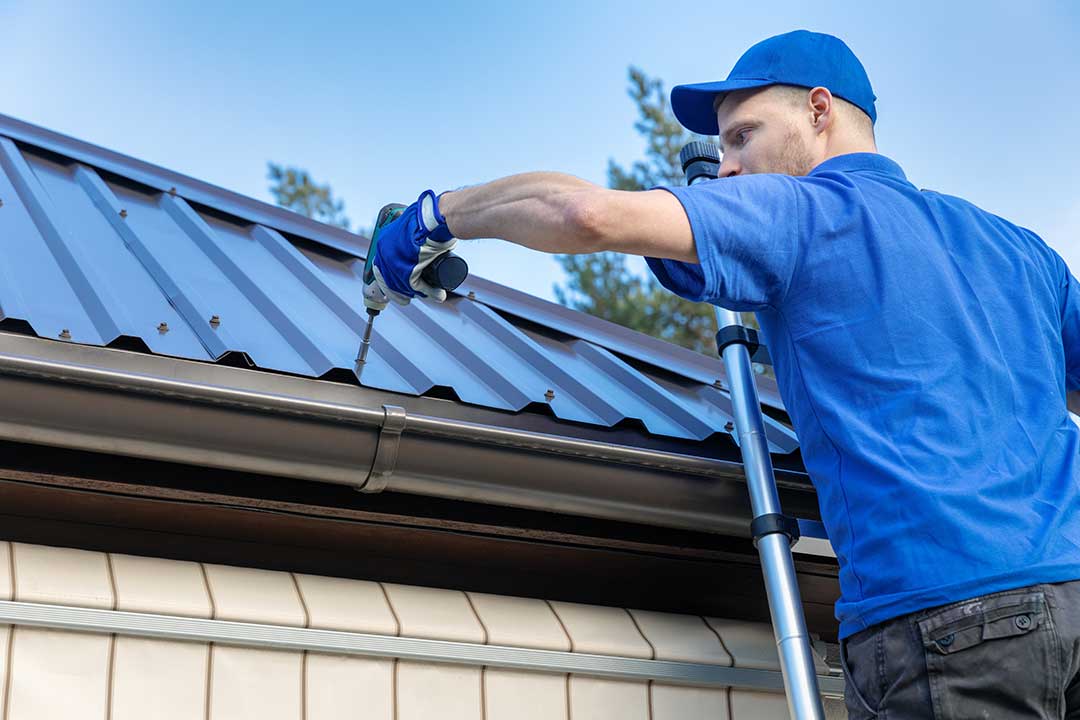
Many people use nails, staples, or hooks to affix lights or wreaths, but these methods can create holes in shingles, trim, or siding. In Frankfort, where moisture infiltration leads to quick freeze-thaw cycling, even tiny punctures can result in leaks and costly repairs.
For safe decorating:
- Use clips or hangers specifically designed for gutters or eaves, which don't penetrate roofing materials.
- Never insert fasteners into roofing or anywhere that leads directly into the attic cavity.
- Remove all attachments promptly after the holiday season to prevent rust stains and UV damage on exposed surfaces.
Additionally, always assess the roof and trim for pre-existing weak points before decorating. Loose shingles or cracked flashing can worsen with added weight or vibration from wind.
What Should Residents Know About Portable Outdoor Decorations?
Inflatables and larger displays are popular in Frankfort's neighborhoods, but improper anchoring or stowing can harm the roof or surrounding structures.
Safeguard your home by:
- Avoiding storage of these items in locations where they could block gutters or be blown onto roofs during high winds.
- Keeping all anchors, cords, and stakes off the roof surface; secure them in ground-level positions instead.
- Storing extension cords away from attic insulation to reduce fire risk and avoid compressing insulation materials.
Proper outdoor storage (such as dry garages or designated sheds) helps decorations last longer and keeps roofs clear of hazards. Local codes may also specify setbacks for outdoor displays, particularly in denser residential zones.
What Misconceptions Commonly Lead to Roof Damage?
Many area households believe that:
- A roof can safely bear the weight of holiday bins or displays for brief periods.
- Small holes from temporary decorations won't let in enough moisture to cause harm.
- Attic storage always preserves decorations better than basement or garage alternatives.
In reality, even minor misuse can lead to leaks, mold, ice damming, or premature shingle wear. Choosing the right storage methods is often less about protecting decorations and more about long-term home durability.
Are There Local Factors That Make Storage Practices Especially Important?
Frankfort’s humid continental climate means wide temperature swings and considerable snowfall. Freeze-thaw cycles can rapidly worsen small roof penetrations, and attic humidity often rises quickly if vents are blocked.
Homes in the city often feature older building stock with variable attic and roof designs. While newer subdivisions might have attics built for storage, many older homes do not—and homeowners may not realize the difference.
Lastly, local regulations require some minimum clearances for stored materials in attics and basements, primarily for fire safety. It’s wise for residents to consult building code requirements before turning attic spaces into makeshift storage areas.
What Are Safer Alternatives for Storing Holiday Decorations?
Whenever possible, residents should consider:
- Using main-floor closets, labeled bins in dry garages, or under-bed containers for lighter decorations.
- Storing only light, non-breakable items in attics, and avoiding overloading joists or covering vents.
- Sharing rarely used large displays with neighbors or donating excess items to reduce clutter and storage demands.
Rethinking where and how decorations are stored can both protect your home’s roofing and make next year’s decorating easier.
