

What Are the Core Differences Between Asphalt Shingles and Metal Roofing?
Asphalt shingles and metal roofing are two of the most common options for residential roofs in Frankfort, NY. Both serve the same basic purpose—protecting a structure from the elements—but they differ significantly in materials, lifespan, appearance, and how they handle the local climate.
Asphalt shingles are composed of fiberglass or organic mats coated with asphalt and granules. Metal roofing uses steel, aluminum, or copper panels installed in interlocking sheets or shingles.
The choice impacts not just appearance but also thermal comfort, maintenance needs, and how a roof stands up to Northeast winters.
How Long Do These Roofs Last in This Area's Climate?
Asphalt shingles in Frankfort typically last between 15 and 30 years, depending on the product quality and weather exposure. Frankfort’s mix of harsh winters, frequent freeze-thaw cycles, and summer storms can accelerate aging, especially if shingles are poorly ventilated or improperly installed.
Metal roofing, by comparison, often lasts 40 to 70 years. Metal's resistance to ice damming, shedding of snow, and general durability make it suited for the city’s temperature swings and snow loads.
*Misconception:* Some believe all asphalt roofs "should" last 30 years. In practice, many require partial repairs or replacement sooner due to moss, hail, or winter damage.
Which Material Provides Better Protection Against Local Weather Hazards?
Metal roofing generally handles snow, sleet, and heavy rain more effectively than asphalt shingles. Metal sheds snow cleanly, which reduces the risk of ice dams—a common cause of winter leaks in Frankfort homes due to attic heat loss or poor insulation.
Asphalt shingles, however, can be more vulnerable to:
- Granule loss from hail or high winds
- Lifting or tearing during severe gusts
- Developing leaks if ice dams form repeatedly at the eaves
However, good maintenance and proper attic ventilation can help shingle roofs perform better and last longer.
What About Energy Efficiency and Seasonal Comfort?
Metal reflects a greater share of the sun’s rays, which can help keep attics cooler in hot weather—an advantage during humid upstate summers. Today’s metal roofs often include color coatings that further improve reflectivity and make a difference in air conditioning demand.
Asphalt shingles, in standard formats and colors, tend to absorb more heat. Super-heated attics can lead to higher cooling costs and shorten shingle lifespan. Cool-tone shingle options are available, but their performance varies.
Winter insulation and attic sealing remain critical for both types, as under-roof ventilation helps prevent ice dam formation and protects against moisture buildup.
How Does Cost Compare—Upfront and Over Time?
Initial installation costs for asphalt shingles are lower, making them the most popular choice for area households watching budgets or planning shorter-term stays. Replacement is also more affordable.
Metal roofing comes with a higher upfront price. However, its longer life and lower risk of weather-related replacement can mean fewer major expenses over two or three decades—particularly for homeowners planning to stay in the community long-term.
It’s worth factoring in local insurance rates; some insurers may offer discounts for metal roofs, viewing them as less vulnerable to storm and fire damage.
How Do Maintenance and Repairs Differ?
Shingle roofs often require regular inspection, especially after storms. Missing, curling, or cracked shingles, moss buildup, and granule loss are frequent maintenance targets in the city’s tree-lined neighborhoods.
Metal roofs are generally less maintenance-intensive. Painted finishes may need attention after several decades, but panels rarely suffer from moss or leak development if installed well. Occasional snow or ice dam removal may be needed for specific roof shapes.
Both systems can be susceptible to gutter clogging and backup if fall leaves aren’t managed—a routine concern for homeowners surrounded by mature trees.
Do Local Building Codes or Home Styles Favor One Material?
The city’s housing stock is diverse, with homes built from the early 1900s through new construction. Many neighborhoods feature traditional architectural styles that often blend naturally with asphalt shingles, available in a wide array of colors and profiles.
Metal roofing, while once seen mostly on barns or modern buildings, is increasingly common on both historic and contemporary homes in the region. Some historic districts may have restrictions on roof material appearance, especially for highly visible facades. Local code offices can give guidance about acceptable materials for specific lots or developments.
Are Sound and Appearance Concerns Real for Either Option?
Modern metal roofs are engineered with sound-dampening features, sometimes installed over additional underlayment. While rain or hail can be more audible during storms, most homeowners in Frankfort find noise minimally different from that experienced in older homes with traditional attics and insulation.
Shingles are quieter during downpours and blend seamlessly with many regional housing styles. Both options now come in a surprising variety of shapes and colors—metal even mimics slate or shake for those wanting a historic look with modern performance.
What Should Residents Know About Disposal and Environmental Impact?
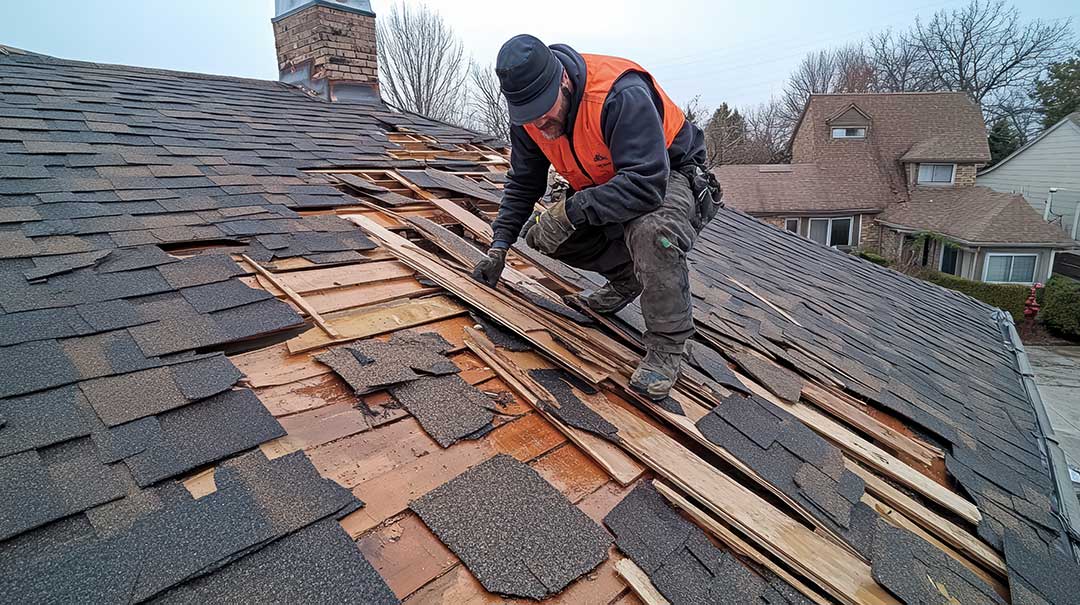
Asphalt shingles are petroleum-based and are not always recyclable locally, increasing landfill contributions during tear-offs. Certain recycling programs exist for ground-up shingles, but access and costs vary.
Metal roofs are often made with recycled content and are themselves fully recyclable at the end of their long lifespan. Their durability and recycling potential make them attractive for residents interested in reducing waste.
Those concerned with sustainability can ask suppliers about recycled content and local disposal protocols before a project begins.
