
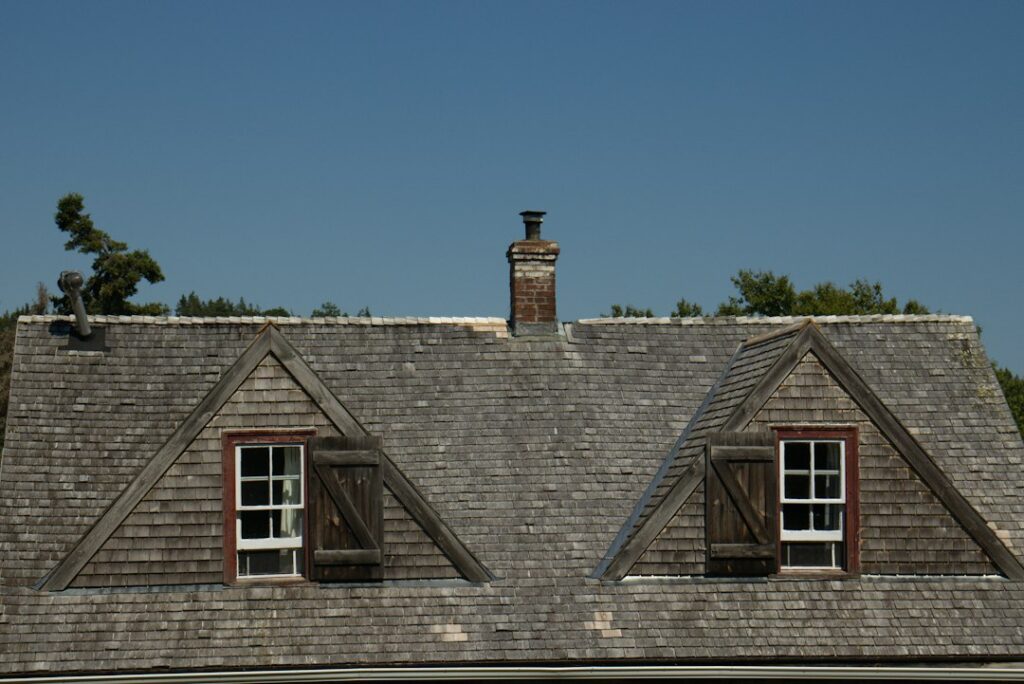
Humidity affects roofing materials mainly by keeping surfaces, attic spaces, and roof decking damp for longer periods. In Frankfort, NY, that matters because homes experience humid summers, wet spring and fall weather, and cold winter conditions that can turn moisture into condensation and frost inside the roof assembly.
Humidity is not the same as direct rainfall, but it can contribute to many of the same problems when moisture cannot dry out. The effects may begin below the visible roofing surface, where insulation, sheathing, rafters, fasteners, and underlayment are exposed to changing temperature and moisture levels.
How does humidity damage a roof?
High humidity does not usually destroy a roof in a single season. Instead, repeated wetting and slow drying can gradually weaken materials, encourage biological growth, and increase the likelihood of leaks or premature deterioration.
Roofing problems related to humidity often develop through one or more of these processes:
- Condensation forms when warm, moist air reaches a cold roof surface.
- Wood absorbs moisture and expands, contracts, or begins to decay.
- Metal fasteners and flashing corrode in persistently damp conditions.
- Asphalt-based materials become more vulnerable when moisture remains trapped beneath them.
- Mold and mildew grow on damp sheathing, insulation, and roof framing.
- Insulation loses effectiveness when it becomes wet.
The roof covering may look acceptable from the ground while the underside of the roof deck is already showing dark stains, nail rust, frost, or surface deterioration.
Why is attic humidity especially important?
Attic humidity is often more damaging than outdoor humidity because moisture from the living space can move upward into the roof assembly. Bathing, cooking, drying clothes, and even normal breathing add water vapor to indoor air.
If warm air leaks through ceiling penetrations, recessed lights, attic hatches, plumbing openings, or poorly sealed ductwork, that air can reach cold roof sheathing during winter. The result may be condensation on the underside of the decking.
In a cold-weather community, this pattern can repeat throughout the heating season. Frost may form during very cold periods, then melt during a warmer spell. That water can wet insulation, stain ceilings, and contribute to wood decay without producing an obvious roof leak.
A properly designed attic needs both:
- Air sealing to limit warm, moist indoor air from entering the attic.
- A suitable ventilation or drying strategy that allows moisture to leave.
Ventilation alone cannot correct major air leaks from the living space. Adding roof vents without controlling the source of moisture may leave the underlying problem unresolved.
How are asphalt shingles affected?
Asphalt shingles are designed to shed rain and withstand normal temperature changes, but they perform less reliably when moisture remains trapped beneath or around them.
Persistent dampness can contribute to:
- Curling, buckling, or distortion of shingles
- Loss of granules from the shingle surface
- Deterioration of the asphalt coating
- Soft or weakened roof decking beneath the shingles
- Increased risk of algae or mildew staining in shaded areas
Humidity does not automatically mean that shingles need replacement. A roof may remain serviceable for many years if it drains well and the roof assembly can dry. The greater concern is repeated moisture exposure combined with poor ventilation, roof leaks, debris, or shaded areas that stay wet after rain.
Dark streaks on shingles are often associated with algae rather than structural damage. However, widespread staining may indicate that parts of the roof receive little sunlight and dry slowly, creating conditions where moisture-related problems are more likely to persist.
What happens to wood roof decking and framing?
Wood-based roof decking, such as plywood or oriented strand board, is especially sensitive to repeated moisture exposure. It naturally changes size as its moisture content changes. Over time, repeated swelling and drying can weaken joints, affect fasteners, and reduce the stiffness of the panel.
Long-term dampness may lead to:
- Soft or spongy decking
- Delamination or separation within plywood
- Swollen edges between roof panels
- Dark staining or fungal growth
- Crumbling wood around roof penetrations
- Reduced holding strength for nails and screws
Wood decay generally requires sustained moisture, not just a brief humid day. A small leak, blocked ventilation path, or unvented bathroom fan can keep one area damp long enough for damage to develop.
Does humidity damage metal roofing?
Metal roofing is not harmed by humidity in exactly the same way as wood or asphalt, but moisture still matters. The most vulnerable areas are usually fasteners, seams, cut edges, flashing, and locations where dissimilar metals touch.
High moisture levels can increase the risk of:
- Surface oxidation or corrosion
- Rust around exposed fasteners
- Deterioration of protective coatings
- Corrosion on concealed metal components
- Condensation on the underside of panels
A metal roof can also experience “roof sweating,” which occurs when warm, moist air contacts a cooler metal surface. This is condensation, not necessarily a roof leak. Without adequate insulation, air control, or a way for the assembly to dry, dripping condensation may wet the roof deck and insulation.
How does humidity affect roof insulation?
Wet insulation does not perform as well as dry insulation. Fiberglass may lose effectiveness when compressed or damp, while cellulose can hold moisture and become heavy. Foam insulation can also be affected if water reaches joints, edges, or the materials behind it.
Humidity-related insulation problems may cause:
- Cold spots on ceilings
- Higher heating or cooling use
- Damp attic odors
- Ice formation near roof edges
- Uneven indoor temperatures
- Staining around ceiling penetrations

Insulation should not be used to block soffit ventilation channels. If insulation is packed against the underside of the roof deck where airflow is needed, moisture may remain trapped and drying may become more difficult.
What signs suggest humidity is affecting a roof?
Some warning signs appear inside the attic rather than on the exterior roof. Useful observations include:
- Frost or water droplets on the underside of roof decking
- Rusty roofing nails
- Darkened wood around vents or roof penetrations
- Musty odors
- Damp or compressed insulation
- Peeling paint or ceiling stains
- Mold-like growth on framing
- Shingles that remain wet long after surrounding areas have dried
- Ice buildup along eaves during winter
A ceiling stain does not always identify the exact source of moisture. Water can travel along rafters, roof decking, insulation, or framing before becoming visible inside the home.
What can households do to reduce humidity-related roof problems?
The most useful steps focus on controlling indoor moisture and supporting safe drying:
- Run bathroom exhaust fans during showers and for a period afterward.
- Make sure exhaust fans discharge outdoors rather than into an attic.
- Use range ventilation when cooking, especially when boiling water.
- Seal gaps around attic hatches, light fixtures, plumbing penetrations, and wiring.
- Keep soffit, ridge, gable, or other designed ventilation openings clear.
- Prevent insulation from blocking intended airflow paths.
- Inspect roof valleys, flashing, and penetrations for signs of leakage.
- Keep gutters and downspouts clear so roof runoff drains efficiently.
- Avoid storing wet materials in attic spaces.
- Watch for winter frost or recurring ceiling stains.
Roof ventilation should be balanced and appropriate for the roof design. More vents do not automatically produce better results, particularly if intake airflow is blocked or if air is being pulled from the living space through ceiling leaks.
When does humidity require closer inspection?
Persistent moisture deserves closer attention when it is accompanied by soft decking, visible decay, extensive staining, repeated ice buildup, or wet insulation. These conditions can affect structural materials and indoor air quality, and they may worsen even when the exterior roof appears intact.
A safe inspection is particularly important when roof surfaces are icy, steep, damaged, or difficult to access. In many homes, the most useful first step is identifying where moisture is entering or condensing, then determining whether the roof assembly has a reliable path to dry.
Humidity is a normal part of the local climate, but trapped moisture is not. A roof generally lasts longer when rainwater drains away, indoor air is kept out of cold roof cavities, and every layer of the assembly has a reasonable opportunity to dry.
